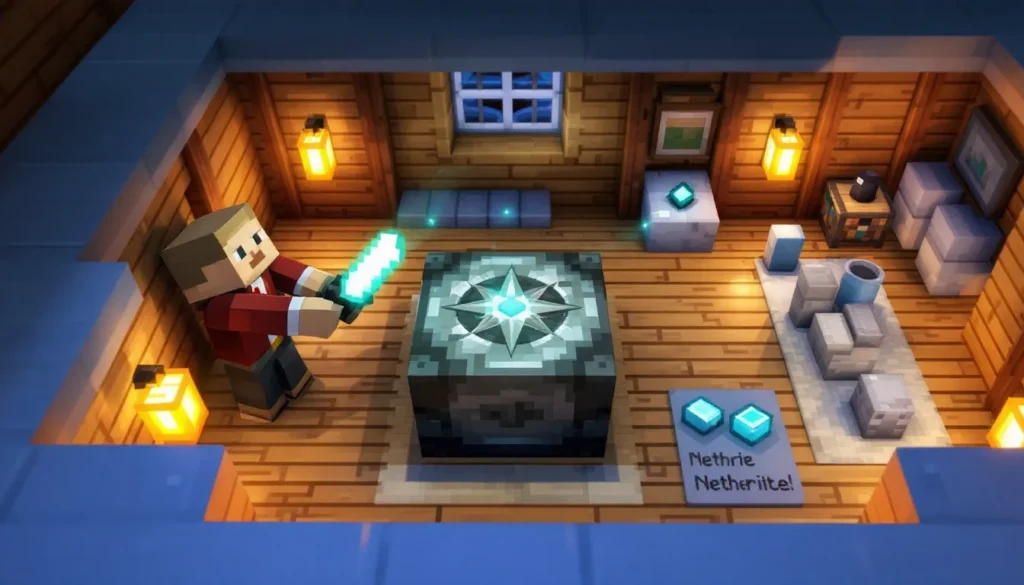

Building your first proper house in Minecraft feels like a rite of passage. You’ve survived the first night huddled in a dirt hole, you’ve gathered resources, and now you’re ready to construct something that doesn’t make you cringe every time you spawn. Whether you’re just starting out or you’re looking to expand your building repertoire with more ambitious projects, this guide walks through everything from simple starter homes to elaborate medieval manors. These tutorials cover fifteen distinct building techniques that scale from beginner-friendly boxes to advanced architectural showpieces, all updated for Minecraft’s current building mechanics in 2026. No fluff, no time-wasting, just practical building steps and design principles you can apply immediately.
Table of Contents
ToggleKey Takeaways
- A Minecraft house tutorial teaches three scalable approaches: beginner starter boxes (9×9 footprint), modern two-story homes (16×12 design), and advanced medieval manors that showcase architectural depth and resource planning.
- Essential building materials vary by project complexity—starter houses need 3-4 stacks of wood planks and 2 stacks of cobblestone, while medieval builds demand 15+ stacks of cobblestone and mixed stone variants for authentic texture.
- Strategic depth, lighting every 5-8 blocks, and material variation (mixing stone, wood, and accent blocks) transform flat, amateur builds into visually compelling structures.
- Interior design becomes functional and personal through organized room layouts: kitchens with furnaces and crafting tables, bedrooms with detailed frames, and storage systems color-coded by chest type.
- Landscaping with pathways, gardens, trees, and properly hidden light sources completes the exterior and prevents mob spawning while adding natural ambiance to your Minecraft house.
- Understanding core design principles—scale, proportions, asymmetry, and roof investment—separates skilled builds from amateur projects, regardless of whether you’re building in creative or survival mode.
Essential Materials and Tools You’ll Need Before Building
Gathering Your Building Blocks
Before laying a single block, you’ll want to stockpile materials based on your chosen build style. For a basic starter house, gather at least 3-4 stacks of wood planks (any type works, but oak and spruce are easiest to farm early), 2 stacks of cobblestone for the foundation, and 1 stack of glass for windows.
If you’re tackling an intermediate or advanced build, scale up significantly. A two-story modern house needs roughly 6-8 stacks of concrete or terracotta for clean lines, 3-4 stacks of glass panes, and accent blocks like quartz or blackstone. Medieval builds devour stone variants, expect to mine 10+ stacks of cobblestone, stone bricks, and andesite combined.
Don’t forget the smaller stuff: torches (at least 2 stacks), doors (wooden or iron), trapdoors and fences for detailing, and slabs and stairs that match your main blocks. Slabs and stairs are criminally underused by new builders but they’re essential for adding depth and texture to walls and roofs.
Tools That Make Building Easier
For survival mode, prioritize an iron pickaxe (minimum) to mine stone efficiently, an iron axe for wood harvesting, and an iron shovel if you’re terraforming your build site. Enchant these with Efficiency III or higher as soon as possible, it cuts gathering time by more than half.
Keep a crafting table and furnace near your build site. You’ll constantly need to craft more blocks or smelt materials. If you’re in creative mode, none of this matters, but organizing your hotbar does: group blocks by type (structural, decorative, functional) to avoid constantly digging through inventory.
Consider bringing scaffolding for tall builds. Craft it with bamboo and string, and it’s infinitely faster than pillar-jumping. For precise placement, toggle between first and third-person view using F5 on Java or the perspective button on Bedrock, third-person helps spot alignment issues you’d miss otherwise.
Choosing the Perfect Location for Your Minecraft House
Biome Considerations and Terrain Features
Biome choice affects both aesthetics and practicality. Plains and forests are classic starting spots, flat terrain, abundant wood, passive mobs for food. They’re forgiving for first-time builders who don’t want to wrestle with terrain.
Mountain biomes offer dramatic elevated builds with natural vistas, but you’ll spend extra time flattening space or building into cliffsides. Taiga biomes provide spruce wood that pairs beautifully with stone for rustic or medieval aesthetics. Avoid building primary bases in deserts or mesas unless you’re committed to the look, wood is scarce, and sandstone has limited palette compatibility.
Water proximity matters more than new players realize. Building near a river, lake, or ocean gives you fishing access, easy boat transport, and natural ambiance. Just leave a 5-10 block buffer from water edges to prevent flooding your basement or foundation.
Planning Your Build Space and Foundation
Before breaking ground, walk the perimeter of your intended build. A starter house needs roughly a 10×10 to 12×12 block footprint. Two-story modern homes scale to 15×15 or larger. Medieval castles easily exceed 30×30 for the main structure, not counting walls or towers.
Flatten the terrain or commit to building on slopes, mixing both looks amateurish. Use dirt blocks to outline your foundation before placing permanent materials. This lets you visualize room layouts and adjust proportions without wasting resources.
For elevation, most guides over at game8.co recommend keeping your foundation 1-2 blocks above surrounding terrain to prevent mob spawning issues and give your build visual weight. If you’re building on a hillside, consider a terraced foundation with retaining walls instead of floating structures that look disconnected from the landscape.
Beginner-Friendly Starter House Tutorial
Building the Foundation and Walls
Start with a 9×9 foundation using cobblestone or wood planks. This gives you 7×7 interior space after walls, which is enough for essential rooms without feeling cramped. Place your foundation blocks in a perfect square, counting carefully.
Raise walls 4 blocks high using your primary material (oak planks, spruce planks, or cobblestone). Leave gaps for a door (typically centered on one wall) and 2-3 windows on other walls for light and sight lines. Windows should be placed at the second block height for standard eye level.
Here’s a material breakdown for this starter build:
- Foundation: 36 blocks
- Walls: ~120 blocks (accounting for door and window gaps)
- Windows: 8-12 glass blocks
- Door: 1 wooden door
For added visual interest, swap every 3rd vertical wall block with a stripped log variant to create corner posts or vertical accents. This single trick makes basic builds look 50% more intentional.
Adding the Roof and Basic Structure
The simplest functional roof is a pyramid style using stairs. Start by placing a row of stair blocks along each wall’s top edge, all facing inward. Then build the next layer inward and upward, repeating until you reach the center peak.
For a 9×9 house, your roof needs approximately 60-80 stair blocks depending on material (oak, spruce, or stone brick stairs all work). If your roof doesn’t reach a clean peak, cap the center hole with a single slab.
Alternatively, use a flat overhang roof: extend planks or slabs 1 block beyond your walls on all sides, then add a second layer on top. It’s less medieval, more modern, and uses fewer resources, roughly 100 blocks total for the same size house.
Seal any gaps where walls meet roof. Even a single open block lets rain through and spawns hostile mobs in your supposedly safe space.
Interior Layout and Essential Rooms
Divide your 7×7 interior intelligently. New players often leave it as one empty room, don’t. Place a crafting table and furnace immediately inside the door against one wall. This creates a quick-access workshop zone.
Against the opposite wall, build a bed (requires 3 wool and 3 planks). Position it in a corner to maximize floor space. Next to the bed, place 2-3 chests for storage, one for tools, one for building materials, one for food and miscellaneous items.
Use the remaining space for a small enchanting corner (if you’ve found diamonds) or simply leave it open for movement. Cram too much furniture and you’ll constantly snag on hitboxes.
Light the interior with torches every 5-6 blocks minimum. Under-lighting is the #1 reason mobs spawn inside houses. Place torches on walls at head height or higher, floor torches create clutter.
Intermediate Build: Modern Two-Story House Design
Creating a Modern Aesthetic with Block Choices
Modern Minecraft builds rely on clean lines, contrasting colors, and geometric shapes. Your primary palette should center on smooth blocks: white concrete, light gray concrete, and black concrete for the main structure. Accent with stripped birch logs or oak logs for subtle wood tones, and gray or white stained glass panes for windows.
Avoid textured blocks like cobblestone or rough stone, they read as rustic, not modern. Instead, quartz blocks, smooth stone, and polished variants keep surfaces sleek. For roofing, flat roofs work best: use concrete slabs or smooth stone slabs extended slightly over walls.
A typical modern two-story footprint runs 16×12 blocks, rectangular rather than square. The asymmetry feels more architectural. Use full-height windows (2-3 blocks tall) on at least one wall to create that floor-to-ceiling glass look popular in contemporary design.
Builders seeking a simple Minecraft castle approach might prefer stone and wood, but modern builds demand precision and a restrained color palette, typically no more than three main colors.
Building Multiple Floors and Staircases
For the first floor, build walls 4-5 blocks high to create taller ceilings characteristic of modern spaces. Place the floor 2 ceiling at 5 blocks, then add your second story walls on top (another 4-5 blocks).
Interior staircases eat up space, budget a 3×3 area minimum. The cleanest staircase design uses a straight run: place stair blocks ascending in a line against one wall, then add a 1-block-wide pathway. For a modern twist, use quartz stairs or polished blackstone stairs instead of wood.
Alternatively, create an L-shaped staircase: run stairs up 4 blocks along one wall, place a landing platform, then turn 90 degrees and continue the stairs. This fits better in corner spaces and feels less utilitarian.
Don’t forget ceiling height on the ground floor where stairs ascend, you need clearance so players don’t suffocate walking under the staircase. Place the second-floor platform blocks carefully, testing movement beneath before finalizing.
Add glass railings using panes along open stair edges and second-floor walkways. Combines safety with the minimalist modern aesthetic. Expect to use 20-30 glass panes for railings alone in a 16×12 two-story build.
Advanced Tutorial: Medieval Castle Manor
Stone and Wood Combination Techniques
Medieval builds thrive on texture layering. Your base walls should mix at least three stone variants, cobblestone, stone bricks, and andesite, in a seemingly random but balanced pattern. Place 3-4 cobblestone blocks, then 2-3 stone bricks, then 1-2 andesite, and repeat. This breaks up visual monotony while maintaining a cohesive gray-brown palette.
Add stripped oak or dark oak logs as vertical corner posts and horizontal beams across walls. These timber frames make your manor feel authentically medieval rather than just a stone box. Use oak planks or dark oak planks to fill panels between timber frames for a half-timbered effect.
For a typical manor footprint of 24×20 blocks, expect to mine:
- 15+ stacks of cobblestone
- 10+ stacks of stone bricks
- 5-6 stacks of andesite
- 8-10 stacks of logs and planks combined
Windows should be narrow and sparse, 1-2 blocks wide, placed irregularly. Medieval castles prioritized defense over natural light, according to various building guides at twinfinite.net, which covers historical accuracy in game builds. Use iron bars instead of glass for ground-floor windows to reinforce the fortress aesthetic.
Towers, Battlements, and Architectural Details
Corner towers define castle architecture. Build circular or square towers extending 8-12 blocks above your main roofline. For circular towers, use this block pattern at the base (viewed from above): place blocks in a plus-sign shape, then fill corners diagonally 1 block out. As you build upward, maintain this pattern.
Square towers are simpler: 5×5 or 7×7 footprints rising vertically. Top them with battlements, a crenelated parapet made by alternating full blocks and gaps along the tower’s rim. Place a full block, leave a 1-block gap, place another block, repeat around the perimeter.
Add arrow slits by removing single blocks from tower walls at intervals, or use trapdoors and stairs to create recessed defensive positions. These functional details separate amateur medieval builds from convincing ones.
For the roof, avoid pyramids, go with steep gabled roofs using stair blocks at sharp angles, or flat wooden platforms topped with fences to simulate rooftop walkways. Medieval structures had functional roofs, not decorative ones.
Decorative details that sell the medieval vibe:
- Hanging lanterns (use chains and lanterns introduced in 1.16+)
- Barrels and crates outside doorways
- Cobblestone paths leading to entrances
- Banners with custom patterns on walls
- Anvils and grindstones in courtyards
Expect advanced castle builds to take 6-10+ hours in survival mode, significantly less in creative. Don’t rush, medieval architecture rewards patience and attention to small details.
Interior Design Tips: Furnishing and Decorating Your House
Functional Room Layouts (Kitchen, Bedroom, Storage)
Kitchens need a smoker, furnace, and crafting table as a minimum. Arrange them in an L-shape along two walls with a chest nearby for food storage. Add a cauldron filled with water as a sink, and use trapdoors placed vertically on walls to simulate cabinets. Place slabs along counters as prep surfaces, they’re half-block height but read as countertops visually.
For a dining area, use stairs facing each other as chairs with wooden pressure plates on top as table surfaces. Alternatively, use fences topped with carpet for stools around barrel tables (barrels placed sideways look round and table-like).
Bedrooms feel more complete with layers. Don’t just plop a bed down. Build a bed frame using stairs or slabs surrounding the bed block. Add paintings or item frames on walls with tools or maps displayed. Place a lantern or sea lantern on the ceiling instead of torches for warmer, diffused lighting.
Storage rooms get cluttered fast. Organize chests by category, tools, weapons, building blocks, redstone, food, and place item frames on chest fronts with representative items showing contents. Color-code using different wood types for chest crafting if you’re feeling meticulous.
Use barrels instead of chests where you’re tight on space, barrels can be placed directly adjacent to each other and still open, while chests need clearance above.
Creative Decoration Using Minecraft Items
Decorating is where personality shines. Bookshelves aren’t just for enchanting, stack them floor to ceiling in libraries or studies. Mix in lecterns with books and brewing stands (even without potions) as decorative objects.
Trapdoors have absurd decorative versatility: place them on walls as shutters, on floors as rugs or hatches, or on tables as placemats. Different wood types (spruce, birch, jungle) offer color variation.
Flower pots with flowers, saplings, or even bamboo shoots add life to windowsills and corners. End rods placed vertically or horizontally create modern lamp posts or curtain rods. Armor stands (craftable with sticks and stone slabs) display armor sets or hold items using arms positioned with equipment.
For walls, layer depth with buttons, levers, or banners. Empty walls look unfinished. Even placing slabs or stairs protruding slightly creates shadow and dimension.
Players exploring more ambitious projects often reference game design principles to understand spatial flow and visual balance, concepts that transfer directly into Minecraft’s block-based architecture.
Landscaping and Exterior Enhancements
Gardens, Pathways, and Outdoor Features
Your house deserves better than sitting on bare dirt. Start with pathways using grass path blocks (shovel on grass), gravel, or cobblestone. Paths should be 2-3 blocks wide and curve slightly rather than running in straight lines, organic shapes feel more natural.
Plant a garden with wheat, carrots, potatoes, and beetroot in tilled soil near your house. Surround farmland with fences to keep mobs out and add water sources every 4 blocks for hydration. Decorative gardens use flowers, tall grass, and ferns mixed randomly, avoid symmetrical planting patterns unless you’re going for formal hedge mazes.
Trees soften hard edges. Plant 2-3 trees near your house, but not so close they block windows or create shadowy mob spawns. Oak and birch work universally: spruce fits colder biomes, acacia suits savanna builds.
Add outdoor seating with stairs and slabs arranged as benches. Place campfires (they don’t spread fire) as ambient focal points in courtyards. Build fountains using stone bricks in a 3×3 or 5×5 square with a water source in the center, simple but effective.
Fences and walls define property boundaries. Cobblestone walls look medieval, oak fences suit rustic builds, and nether brick fences (thin vertical bars) work for modern aesthetics. Gate placement matters, center gates on pathways for symmetry.
Lighting Strategies for Safety and Ambiance
Mobs spawn at light level 7 or below (as of recent patches), so torches every 8-12 blocks ensures safety. But visible torch spam looks amateur. Hide light sources for cleaner aesthetics.
Glowstone or sea lanterns placed under carpets or leaf blocks emit light while staying invisible. Lanterns hanging from fences or chains provide medieval/rustic lighting at light level 15. Redstone lamps with hidden lever switches create modern recessed lighting.
For exteriors, place torches behind trapdoors mounted on walls, the trapdoor hides the torch while letting light spill out. Or bury glowstone 1-2 blocks underground along pathways and cover with glass panes or leaf blocks for subtle ground illumination.
Jack o’lanterns hidden behind walls or under blocks emit light without the torch’s harsh yellow glow, useful for creating warm ambient lighting. Check light levels using F3 debug screen on Java (look for the light value) or place temporary blocks and observe mob spawns on Bedrock to test coverage.
Don’t forget underwater lighting if you have ponds or fountains, sea pickles or glowstone placed at water bottoms prevent drowned spawns and look magical at night.
Common Building Mistakes to Avoid
Flat walls with no depth make builds look like Minecraft clipart. Always extend roofs 1-2 blocks past walls as overhangs. Add window sills using slabs or stairs beneath windows. Use upside-down stairs or slabs to create trim along roof edges. Even 1 block of depth creates shadows that trick the eye into seeing complexity.
Ignoring scale kills builds. Doors are 2 blocks tall, if your walls are only 3 blocks high, the building feels cramped. Minimum 4-block wall height for comfortable interiors, 5-6 for grand halls or modern spaces. Windows should be proportional too: 2-block-tall windows for 4-block walls, 3-block for 5+ walls.
Symmetry overload makes houses boring. If your front face is perfectly mirrored left-right, it reads as artificial. Offset the door by 1-2 blocks. Vary window placement. Add an asymmetrical extension or porch to one side.
Single-material monotony is the starter build trap. Mixing even two materials, wood and stone, concrete and glass, makes your build 10x more visually interesting than monochrome structures. Use accent blocks sparingly for corners, trim, or decorative bands.
Neglecting the roof means 50% of your build looks lazy. Players see roofs from distance more than walls. Invest time in interesting rooflines, multiple levels, dormers, or mixed materials like stone base with wood upper portions.
Lighting only the interior leaves exteriors as mob spawning zones. Your beautiful house surrounded by creepers isn’t a good look. Perimeter lighting isn’t optional.
Building on unprepped terrain creates floating structures or awkward gaps. Flatten your site or commit to terrain-integrated builds. Half-measures look unfinished.
Copying pixel-by-pixel from tutorials without understanding design principles means you can’t improvise or adapt. Learn why certain blocks are used, not just where to place them.
Creative vs Survival Mode Considerations
Creative mode removes resource constraints but tempts builders into overly ambitious projects they never finish. Set scope limits even in creative, decide on a specific build, gather your palette, and complete it before starting the next. Flying makes vertical builds trivial, but remember that survival players need functional staircases and ladders.
Use creative to prototype designs before committing resources in survival. Build a 1:1 mock-up, test room layouts and proportions, screenshot it, then recreate it in survival with confidence. This prevents wasteful resource gathering for designs that don’t work.
Survival mode forces practical priorities. Build near resources, forests for wood, mountains for stone. Construct functional farms and storage before decorative flourishes. Your first house will be humble: accept that and plan for expansion rather than attempting grand builds while dodging skeletons.
Survival builds benefit from modularity. Start with a starter box, then add wings as resources accumulate. Design the initial structure with expansion in mind, leave one wall open for future room additions, or plan courtyard layouts where new buildings connect naturally.
Mob-proofing matters only in survival. Check for lighting gaps obsessively. Ensure fences have gates, not gaps. Place slabs or carpet in places mobs might spawn during construction.
Enchantments and efficiency matter in survival. Efficiency V + Unbreaking III pickaxes aren’t optional for large builds, they’re mandatory. Gather materials in bulk trips with Shulker boxes if possible.
Creative mode suits testing redstone, planning mega-builds, and artistic projects where resource grinding would kill motivation. Survival mode rewards players who value the journey, every block placed carries weight and accomplishment. Choose based on whether you want architectural sandbox freedom or progression-driven building.
Conclusion
Minecraft building evolves from dirt huts to architectural showcases through iteration and experimentation. The fifteen techniques covered here, from foundation planning and material selection to advanced medieval details and interior design, give builders at any skill level a roadmap for creating structures that feel intentional and unique. Start simple with the beginner starter house to nail proportions and basic lighting, then scale up to modern two-story designs or medieval manors as your confidence and resource stockpiles grow.
The gap between amateur and skilled builders isn’t talent, it’s understanding core principles like depth, scale, material variation, and lighting strategy. Apply these consistently and your builds will stand out on any server or solo world. Whether you’re grinding resources in survival or flying through creative mode, the time invested in thoughtful design pays off every time you spawn at your front door.