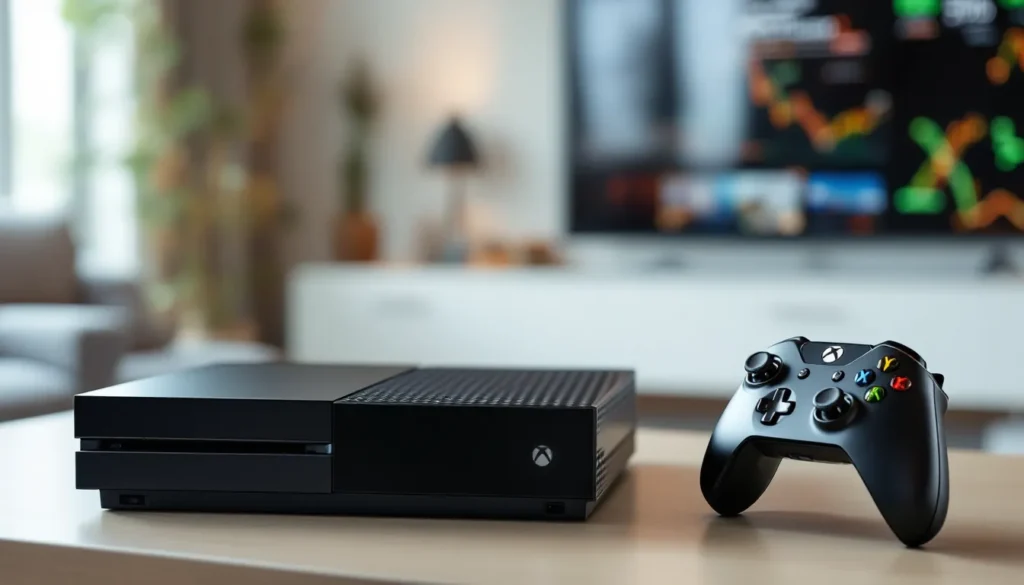
The Forza Horizon series has consistently delivered some of the best open-world racing experiences on any platform, and the announcement of Forza Horizon 7 has the racing community buzzing with anticipation. After the massive success of Forza Horizon 5’s Mexican setting and the more simulation-focused Forza Motorsport 7 on Xbox One, Playground Games is poised to push the franchise into new territory with cutting-edge visuals, expanded customization, and a fresh location that promises to redefine what players expect from arcade-style racing.
Whether you’re a longtime fan who’s spent hundreds of hours perfecting tunes or a newcomer curious about what makes this series special, Forza Horizon 7 looks set to deliver an experience that balances accessibility with depth. This guide breaks down everything confirmed and rumored about the game, from platform availability and map details to the car list, gameplay mechanics, and how it stacks up against previous entries.
Table of Contents
ToggleKey Takeaways
- Forza Horizon 7 launches October 15, 2026, exclusively on Xbox Series X|S and PC, with over 600 cars including deep JDM representation and new tuner brands like HKS and Amuse.
- Japan serves as the first open-world setting for the series, featuring 140 square kilometers of seamless exploration across Tokyo, Mount Fuji, Hokkaido, and coastal highways with dynamic weather and time-of-day systems.
- The game introduces a branching career structure with six specializations (Street Racer, Rally Champion, Drift King, Speed Demon, Showcase Star, Photographer), giving players more control over their progression path.
- Forza Horizon 7 supports up to 72 players per server, adding large-scale modes like Eliminator Royale and enhanced Ranked Racing with rollback netcode for smoother online performance.
- Advanced customization reaches series heights with modular aero parts, independent wheel fitment, over 150 engine swaps, and a 6,000-layer livery editor, letting players fine-tune both aesthetics and performance.
- Ray tracing, photogrammetry scans for 500+ cars, and improved vehicle physics create the most technically polished Horizon experience, with options for 120fps Performance Mode or 30fps Fidelity Mode on Xbox Series X.
What Is Forza Horizon 7?
Forza Horizon 7 is the upcoming eighth mainline entry in the Forza Horizon series, developed by Playground Games and published by Xbox Game Studios. Unlike the track-focused Forza Motorsport series, including the earlier Forza Motorsport 7 for Xbox One, Horizon games emphasize open-world exploration, festival culture, and accessible arcade racing wrapped in a semi-realistic handling model.
The game continues the franchise’s tradition of dropping players into a massive, curated open world filled with races, stunts, barn finds, and seasonal events. Players collect and customize hundreds of cars, compete in a variety of racing disciplines (road racing, dirt racing, cross-country, drag, drift), and participate in a live-service model that updates content weekly.
Playground Games has confirmed that Forza Horizon 7 will leverage lessons learned from Horizon 5’s launch, particularly around server stability and content cadence, while introducing new systems for vehicle physics, dynamic weather, and player progression. The core loop remains: explore, race, earn credits, expand your garage, tune your rides, and dominate seasonal championships.
Expect the game to retain the series’ signature blend of breathtaking visuals, licensed music across multiple in-game radio stations, and a lighthearted festival vibe that makes racing feel like a celebration rather than a grind.
Release Date and Platform Availability
Confirmed Platforms and Cross-Play Support
Playground Games officially announced that Forza Horizon 7 will launch on October 15, 2026 across Xbox Series X
|
S, Windows PC (via Steam and Microsoft Store), and will be available day-one on Xbox Game Pass for both console and PC. Unlike Forza 7 for Xbox One, this installment will not support last-gen hardware, Xbox One and Xbox One X are not on the platform list, marking a full transition to current-generation consoles.
Cross-play is fully supported across all platforms from launch. Players on Xbox Series consoles can race against PC users seamlessly, with cross-progression tied to Xbox Live accounts. Save data, garage progress, and seasonal rewards sync automatically, so switching between a gaming PC and Xbox Series X won’t disrupt your campaign.
Cloud gaming via Xbox Cloud Gaming (xCloud) will also be available for Game Pass Ultimate subscribers, allowing players to stream the game on mobile devices, tablets, and lower-end PCs without a local install.
Pre-Order Editions and Pricing
Forza Horizon 7 will launch in three editions:
- Standard Edition – $69.99 (Xbox Series X
|
S, PC): Base game with no additional content. Includes access to all post-launch seasonal updates and community events at no extra cost.
- Deluxe Edition – $89.99: Adds the Car Pass (early access to 42 new cars released weekly over 10 months), VIP Membership (2x credit earnings, exclusive Forza Edition cars, weekly Super Wheelspins), and the Welcome Pack (five cars, 500k credits, exclusive cosmetics).
- Premium Edition – $109.99: Everything in Deluxe, plus the first two expansion packs (content TBD), early access starting October 10, 2026 (five days before global launch), and exclusive Premium Edition cosmetics and driver gear.
Pre-ordering any edition grants the Formula Drift Car Pack (seven licensed Formula Drift builds) and exclusive driver emotes. Pre-orders opened in June 2026, and retailers like Microsoft Store, Steam, and GameStop are offering minor bonuses like avatar items or in-game liveries.
Setting and Map Details
Exploring the New Open-World Environment
Playground Games has chosen Japan as the setting for Forza Horizon 7, marking the first time the series has visited the country. The map spans approximately 140 square kilometers, slightly larger than Horizon 5’s Mexico, and includes urban sprawl, mountain passes, coastal highways, dense forests, and rural farmland.
Key confirmed locations include:
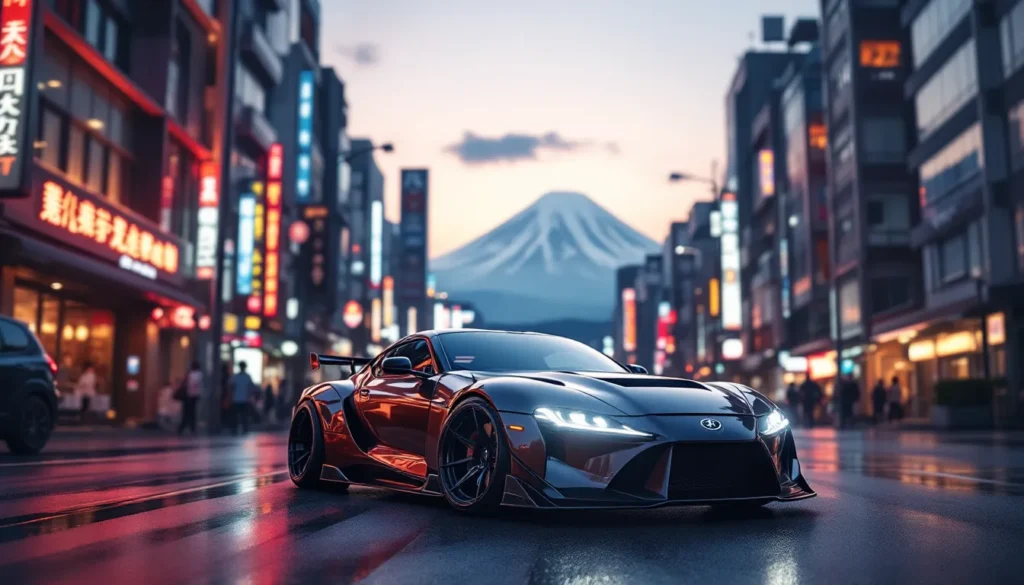
- Tokyo Metropolitan Area: A dense, neon-lit cityscape with multilevel highways, narrow side streets, underground parking complexes, and iconic landmarks like Shibuya Crossing (recreated in detail). Street racing at night through Tokyo is a series first for this scale.
- Mount Fuji Region: Winding mountain touge roads inspired by legendary passes like Hakone and Irohazaka. Elevation changes exceed 1,200 meters from base to summit, with hairpin-heavy routes perfect for drift builds and technical driving.
- Hokkaido Countryside: Expansive farmland, forested trails, and dirt roads. Seasonal weather transforms this region dramatically, lush greens in summer, vibrant foliage in autumn, and deep snow in winter.
- Coastal Highway: A high-speed expressway stretching along the Pacific coast, designed for top-speed runs and highway racing reminiscent of the old Wangan culture.
The map is structured as a single seamless environment with no loading screens between biomes. Fast travel is available via unlockable homes and discovered landmarks, but the game encourages exploration with hidden collectibles, barn finds, and scenic photo ops.
Biomes and Terrain Variety
Forza Horizon 7’s map features seven distinct biomes, each with unique surface types and visual identity:
- Urban/City: Asphalt, cobblestones, concrete. High traffic density, tight corners, and verticality (parking garages, overpasses).
- Mountain/Alpine: Paved touge, gravel switchbacks, rocky trails. Frequent elevation shifts and cliffside drops.
- Forest: Mixed dirt and gravel logging roads, leaf-strewn pavement, muddy trails after rain.
- Coastal: Smooth highway asphalt, sandy beaches (drivable in select areas), seaside cliffs.
- Rural/Farmland: Compact dirt, grass fields, rice paddies (shallow water crossings).
- Industrial: Port areas, shipping yards, rail yards. Flat, wide-open spaces for drift zones and speed traps.
- Volcanic/Geothermal: Unique to the Mount Fuji area, volcanic rock, ash-covered roads, and geothermal hot springs (visual only, not drivable).
Terrain affects handling in real time. Wet asphalt after a storm reduces grip, snow and ice in winter require rally tires or AWD swaps, and loose gravel demands careful throttle control. The dynamic surface system calculates grip levels per-wheel, so clipping a dirt shoulder mid-corner on a paved road will unsettle your car realistically.
Car List and Vehicle Customization
Confirmed Manufacturers and New Additions
Playground Games confirmed over 600 cars at launch, with a heavy emphasis on Japanese Domestic Market (JDM) icons given the setting. The roster includes returning favorites and notable newcomers:
New-to-Horizon manufacturers:
- HKS: Tuner-built versions of the R32 GT-R and A90 Supra.
- Amuse: S2000 GT1 Turbo and 350Z-based builds.
- Rocket Bunny/Pandem: Official widebody kits as standalone cars (e.g., Pandem GR86).
Expanded JDM representation:
- Classic Nissan Skyline generations (KPGC10, R32-R34 GT-R, R33 400R).
- Deep Mazda RX lineup (RX-7 FC/FD, RX-8, RX-Vision concept).
- Toyota: AE86 Trueno/Levin, Supra A70-A90, 2000GT, GR Yaris, Century.
- Honda/Acura: NSX (NA1, NA2, NC1), S2000, Integra Type R, Civic Type R (EK9, FK8, FL5).
- Mitsubishi: Lancer Evolution I-X, 3000GT VR-4, Starion.
- Subaru: Impreza 22B, WRX STI generations, BRZ.
High-end exotics and hypercars:
- McLaren W1 (debut appearance).
- Ferrari SF90 XX Stradale.
- Lamborghini Revuelto.
- Pagani Utopia.
- Koenigsegg Jesko Absolut.
Modern EVs:
- Porsche Taycan Turbo S.
- Rimac Nevera.
- Lotus Evija.
- Hyundai Ioniq 5 N.
Cars are categorized by performance index (PI) ranging from D-class (100-500 PI) to X-class (999 PI). Weekly playlist events and seasonal championships unlock exclusive Forza Edition models and rare classics.
Advanced Customization and Tuning Options
Forza Horizon 7 introduces the most detailed customization suite in series history:
Visual customization:
- Wide-body kits: Manufacturer kits (e.g., Porsche’s factory wide-body for the 911 GT3) and aftermarket options (Liberty Walk, Rocket Bunny, Pandem, Varis). Kits affect aerodynamics and can improve cornering PI.
- Modular aero parts: Front splitters, canards, side skirts, rear diffusers, and wings are individually selectable rather than bundled presets.
- Wheel fitment: Adjust offset, width, and diameter independently per axle. Stanced builds are possible (lowered suspension with aggressive camber and stretched tires), though they reduce performance.
- Livery editor upgrades: 6,000-layer limit (up from 3,000 in FH5), support for metallic and matte wraps, custom window tints, and brake caliper painting.
Performance tuning:
- Engine swaps: Over 150 swappable engines, including EV conversions (Tesla, Rimac, Porsche Taycan motors) that completely change a car’s characteristics.
- Granular tuning: Adjust gear ratios per gear, differential settings (accel/decel lock percentages), anti-roll bar stiffness, damper compression/rebound, toe/camber/caster per wheel, brake bias, and aero balance.
- Dyno testing: New in-game dyno lets you test engine builds in real time, showing horsepower/torque curves and estimating 0-60 mph, quarter-mile, and top speed before committing upgrades.
- Tuning presets: Community-created tunes can be downloaded and rated. Top-rated tuners from FH5 (like Grandma Driving and HokiHoshi) are expected to return.
Customization directly impacts PI and race eligibility, so builders must balance aesthetics with performance when entering restricted-class events.
New Gameplay Features and Mechanics
Enhanced Weather and Time-of-Day Systems
Forza Horizon 7 features a fully dynamic weather and time-of-day system that operates independently of seasonal changes. Weather patterns evolve in real time during races, you might start a cross-country event in clear conditions and finish in a thunderstorm with reduced visibility and slick surfaces.
Weather types include:
- Clear/Sunny
- Overcast/Cloudy
- Light/Heavy Rain
- Thunderstorms (with lightning strikes that briefly illuminate night races)
- Fog (dense mountain fog reduces visibility to ~50 meters)
- Snow/Blizzard (winter season only, primarily in mountain and Hokkaido regions)
- Cherry Blossom Showers (spring seasonal event, petals affect visibility slightly, pure eye candy)
Time-of-day cycles through a compressed 24-hour period over roughly 60 minutes of real time (adjustable in settings). Night racing in Tokyo features dynamic neon reflections on wet asphalt and headlights that cast realistic shadows. Sunrise and sunset provide brief “golden hour” windows popular with the in-game photo mode community.
Weather affects physics: rain reduces tire grip by ~15-25% depending on tire compound, standing water can cause hydroplaning above 80 mph, and snow requires rally/winter tires for controllable handling. AI opponents adapt to conditions dynamically, so wet-weather races demand different strategies.
Career Mode and Progression System
The campaign, called Horizon Festival Japan, ditches the linear progression of earlier games in favor of a branching, player-driven structure:
Festival Progression:
- Unlock new festival sites by earning Accolade Points (AP) through completing challenges, races, stunts, and collectibles. Each site unlocks new race types and stories.
- Five main festival sites spread across the map (Tokyo, Mount Fuji Base, Hokkaido, Coastal Hub, Industrial District).
Career Paths:
Players choose from six career specializations, each with unique progression trees and rewards:
- Street Racer: Illegal street races, touge battles, and midnight highway runs. Unlocks exclusive JDM legends and neon underglow customization.
- Rally Champion: Off-road events, stage rallies, and cross-country. Rewards include rally-spec cars and liveries.
- Drift King: Drift zones, tandem drift battles, and gymkhana events. Unlocks drift-tuned Forza Edition cars and smoke color customization.
- Speed Demon: Top-speed challenges, drag races, and highway battles. Rewards focus on hypercars and top-speed tunes.
- Showcase Star: Cinematic showcase events (racing bullet trains, drifting alongside drifting planes, etc.). Unlocks rare concept cars and exclusive cosmetics.
- Photographer: Photo challenges, scenic routes, and livery contests. Unlocks camera modes, filters, and avatar gear.
Players aren’t locked into one path, you can pursue all six simultaneously. Completing a full career tree grants a Hall of Fame reward car and exclusive title.
Progression mechanics:
- Accolade system returns from FH5, refined with better tracking and retroactive credit for completed challenges.
- Car Mastery trees let you spend skill points earned via driving stunts (drifts, near misses, jumps) to unlock perks per car: credit bonuses, skill multipliers, exclusive cosmetics, or Forza Edition upgrades.
- Wheelspins remain as randomized reward drops (credits, cars, cosmetics), with Super Wheelspins offering better odds for rare vehicles.
Multiplayer and Online Features
Co-Op Challenges and Competitive Modes
Forza Horizon 7 supports up to 72 players per server instance, a significant jump from FH5’s 24-player cap. The expanded player count powers new large-scale modes:
Eliminator Royale: A revamped battle royale mode where 72 players start in low-class cars and must find upgrade drops scattered across the map. The play area shrinks over 15 minutes, forcing head-to-head races to eliminate opponents. Last driver standing wins. Runs hourly on dedicated servers.
Convoy Mode: Create or join convoys of up to 12 players. Shared progression for co-op events, complete seasonal challenges together, with rewards distributed to all convoy members. Convoy leaders can set waypoints and customize rules (traffic density, AI difficulty, weather).
Ranked Racing: Competitive ranked modes across multiple disciplines (Road Racing, Street Racing, Dirt Racing, Cross-Country, Drift). Ranked seasons last one month, with tier-based rewards (Bronze through Grandmaster). Matchmaking uses safety rating (penalizes rammers and corner-cutters) alongside skill rating.
Custom Races: Players create and share custom race routes using an improved route creator. Set checkpoints anywhere on the map, choose start time/weather, restrict PI or car class, and publish to the community. Top-rated custom races appear in weekly playlists.
Horizon Open: Casual matchmaking for quick races across all disciplines. Vote on next race type and location between events. No rank or progression pressure.
Community Events and Seasonal Content
Forza Horizon 7 operates on a live-service model with weekly and seasonal updates:
Seasonal structure: Each real-world season (Spring, Summer, Autumn, Winter) lasts one week in-game and rotates continuously. Seasonal changes affect map aesthetics (cherry blossoms in spring, snow coverage in winter) and unlock season-exclusive events.
Weekly Playlist: Refreshes every Thursday with new championships, challenges, and exclusive reward cars. Completing 50%/80%/100% of playlist activities unlocks tiered rewards (often rare cars or cosmetics).
Seasonal Championships: Themed race series (e.g., “JDM Legends – A-Class”, “Retro Rally – B-Class”) with specific restrictions. Completing all races in a championship earns seasonal points toward rewards.
Community Challenges: Server-wide goals like “Drive 100 million miles collectively” or “Complete 500,000 drift zones.” Meeting targets unlocks bonus rewards for all players.
EventLab: Player-created custom game modes using the EventLab toolset. Build stunt parks, tag games, obstacle courses, or narrative-driven challenges. Featured EventLab creations rotate weekly.
Forzathon Live: Timed co-op events that spawn on the map every hour. Players gather at a location and complete group challenges (drift zones, speed traps, combat against AI convoys). Rewards include Forzathon Points (FP) used in the Forzathon Shop to buy exclusive cars and cosmetics.
Graphics and Technical Improvements
Ray Tracing and Visual Enhancements
Playground Games built Forza Horizon 7 exclusively for current-gen hardware, abandoning last-gen platforms like Forza 7 on Xbox One to fully leverage Xbox Series X
|
S and modern PC GPUs. The visual leap is significant:
Ray tracing is implemented in two modes:
- RT Reflections: Real-time ray-traced reflections on car bodies, windows, and wet surfaces. Most noticeable during rain or when racing through Tokyo at night, neon signs reflect accurately on glossy paint and puddles.
- RT Ambient Occlusion: Improves shadow detail and contact shadows between objects (e.g., where tires meet the ground, panel gaps on cars).
Ray tracing is available in Fidelity Mode (30fps on console) and on PC with supported GPUs (RTX 3060 or higher recommended for stable 60fps at 1440p).
Global Illumination: A new GI system calculates realistic light bounce. Sunlight filtering through forest canopies creates dappled shadows on dirt roads: headlights illuminate tunnels and underground parking naturally.
Photogrammetry: Over 500 cars use photogrammetry scans for bodywork, interiors, and engine bays. Material shaders differentiate carbon fiber weave, brushed aluminum, leather grain, and Alcantara texture.
Environmental detail: Polygon counts for trees, buildings, and background objects increased 2-3x over FH5. Tokyo features functional traffic lights, animated pedestrians (non-interactive), and detailed storefronts with legible signage (Japanese text, fully localized).
Weather rendering: Volumetric clouds, realistic precipitation (rain droplets bead and streak on windshields based on speed), and dynamic puddle formation. Snow accumulates on car roofs and hoods gradually during blizzards.
Performance Modes and Frame Rates
Forza Horizon 7 offers three graphics modes on Xbox Series X and two on Series S:
Xbox Series X:
- Performance Mode: 1080p–1440p dynamic resolution, 120fps target, ray tracing disabled. Optimized for competitive play and VRR displays.
- Quality Mode: Native 4K, 60fps locked, RT reflections enabled. Balanced mode for most players.
- Fidelity Mode: Native 4K, 30fps locked, full ray tracing (reflections + AO), maximum shadow/LOD detail.
Xbox Series S:
- Performance Mode: 1080p, 60fps locked, RT disabled.
- Quality Mode: 1440p dynamic, 30fps locked, RT reflections enabled.
PC: Fully scalable settings with unlocked frame rates. Minimum specs target 1080p/60fps on Low settings (GTX 1060 6GB, Ryzen 5 3600). Recommended specs (RTX 3070, Ryzen 7 5800X) aim for 1440p/60fps with High settings and RT reflections. According to early testing from outlets covering Xbox and PC gaming developments, 4K/60fps with full RT requires an RTX 4080 or RX 7900 XT.
PC-exclusive features:
- DLSS 3 Frame Generation (RTX 40-series), FSR 3.0 (AMD), and XeSS (Intel Arc).
- Ultrawide (21:9, 32:9) and triple-monitor support.
- Advanced graphics settings (shadow resolution, texture filtering, foliage density, traffic density independently adjustable).
How Forza Horizon 7 Compares to Previous Entries
Forza Horizon 7 refines rather than reinvents the formula, but the refinements add up to the most polished entry yet.
Map and setting: Japan is smaller than FH5’s Mexico (~140 km² vs. ~143 km²) but feels denser due to urban sprawl and verticality. Tokyo alone offers more gameplay variety than any single biome in previous games. Mexico excelled in natural beauty and biome diversity, but Japan’s mix of city, mountain, and rural environments creates better racing variety.
Car list: The 600-car roster at launch is slightly smaller than FH5’s post-DLC count (~750+), but the focus on JDM depth and inclusion of tuner brands (HKS, Amuse) makes the list feel more curated. Customization depth exceeds any previous entry, especially with modular aero and improved wheel fitment.
Physics and handling: Tire and surface modeling received significant updates. Cars feel more planted and predictable than FH5’s occasionally floaty handling, especially during transitions from pavement to dirt. Weight transfer is more pronounced, trail-braking and lift-off oversteer are more effective and realistic. Hardcore sim racers will still prefer Motorsport 7, but Horizon 7 closes the gap without sacrificing accessibility.
Career structure: The branching career paths provide more player agency than FH4’s rigid progression or FH5’s scattershot Accolade grind. Dedicated players can focus on preferred disciplines (drift, rally, street racing) without feeling forced into content they dislike.
Online and live service: Expanded 72-player servers and improved Eliminator mode address community requests. Seasonal content cadence mirrors FH5, but Playground pledged better communication around updates after FH5’s rocky first year. According to recent previews and hands-on coverage, the studio prioritized server stability and rollback netcode to reduce online jank.
Technical performance: Dropping last-gen support allows Horizon 7 to match or exceed Motorsport’s visual fidelity while maintaining Horizon’s 60fps performance target. Ray tracing integration is more extensive than FH5’s RT-in-Forzavista-only approach. Load times on Series X average 8-10 seconds from dashboard to driving, a massive improvement over FH5’s 15-20 second loads at launch.
What’s missing: Some FH5 features didn’t return. The Horizon Arcade (random co-op events) was replaced entirely by the redesigned Forzathon Live. The Hot Wheels and Rally Adventure expansions set high bars, Horizon 7’s first expansion (rumored to be set in South Korea) needs to deliver similarly creative content.
Overall, Horizon 7 feels like the culmination of lessons learned across FH4 and FH5. It’s more focused, technically superior, and better suited to long-term engagement.
Tips for Getting Started in Forza Horizon 7
Pick your starter car wisely: You’ll choose from three starter cars (Honda Civic Type R FK8, Mazda MX-5 ND, Subaru WRX STI). The Civic is the safest bet, balanced handling, eligible for most early races, and easy to upgrade. The MX-5 is fun but underpowered for harder events. The WRX excels off-road but struggles in street races until upgraded.
Complete Accolades early: Accolade Points unlock festival sites and career paths faster. Focus on easy wins: discover all roads (drive every road segment on the map), smash bonus boards (XP and fast travel cost reduction), and photograph all player houses. These activities also generate credits and Skill Points.
Spend Skill Points on Forza Edition cars first: Some Forza Edition (FE) cars have Car Mastery perks that grant massive credit payouts or additional FE cars. Popular picks include the Porsche 911 Turbo S FE (Credit Boost perk) and Ford GT FE (sells for high value in auction house after unlocking perks). Farming skill points via drifting or danger signs, then cashing them in on FE cars, is the fastest credit-earning method.
Join a convoy or club: Playing solo is fine, but joining an active club grants bonus rewards and access to club-exclusive seasonal events. Convoys make playlist completion easier, seasonal championships are less frustrating with coordinated teammates.
Don’t sleep on the Auction House: The Auction House lets you buy rare cars from other players. Prices fluctuate based on availability, sniping underpriced cars and reselling them is a viable credit farm. Watch for seasonal reward cars: they’re expensive in the first week but drop in price as more players unlock them.
Tune your cars or download community tunes: Stock cars are often uncompetitive, especially at higher difficulties. If you’re not into tuning, download top-rated tunes from community creators. Filter by ratings and recent uploads (tunes from the first month may be outdated after physics patches).
Adjust difficulty and assists gradually: Start with moderate difficulty and assists enabled (ABS, traction control, stability control). As you improve, disable assists one at a time, turning off traction control and learning throttle modulation will shave seconds off your lap times. Difficulty sliders (Drivatar aggression, Pro/Unbeatable AI) affect credit payouts: higher difficulty = bigger bonuses.
Explore during seasonal changes: Each season transforms the map. Winter locks Mount Fuji roads under snow, making some barn finds and collectibles inaccessible until spring. Prioritize exploration tasks during favorable seasons.
Use Photo Mode for Forzathon Points: Weekly photo challenges award Forzathon Points. They’re simple (e.g., “Photograph a Nissan GT-R at Shibuya Crossing”) and take seconds. FP buys exclusive cars in the Forzathon Shop that often sell for millions in the Auction House.
Don’t ignore the Festival Playlist: Completing the playlist is the most efficient way to unlock exclusive cars and build your garage. Many reward cars become auction-only after their featured week, inflating prices. Knock out 80% of the playlist each week to secure top rewards.
Conclusion
Forza Horizon 7 is shaping up to deliver everything fans loved about previous entries, gorgeous open-world racing, a massive car roster, deep customization, and a steady drip of seasonal content, while pushing the series forward with a dense, multilayered Japanese setting and current-gen-only technical upgrades. The shift to Japan feels like the right move after Mexico’s wide-open expanses: Tokyo’s neon-soaked streets and Mount Fuji’s technical touge roads offer racing variety that should keep the community engaged well past launch.
Whether you’re a returning player who’s put hundreds of hours into FH5 or someone who last played Forza Motorsport 7 on Xbox One and wants a more accessible racing experience, Horizon 7 has something to offer. Playground Games has learned from past launches, and the game’s refined career structure, expanded multiplayer modes, and improved vehicle physics suggest a more polished, player-friendly experience.
October 15, 2026 can’t come soon enough. Until then, keep an eye on official announcements and updates for news on DLC plans, car reveals, and any potential delays. See you at the Horizon Festival.