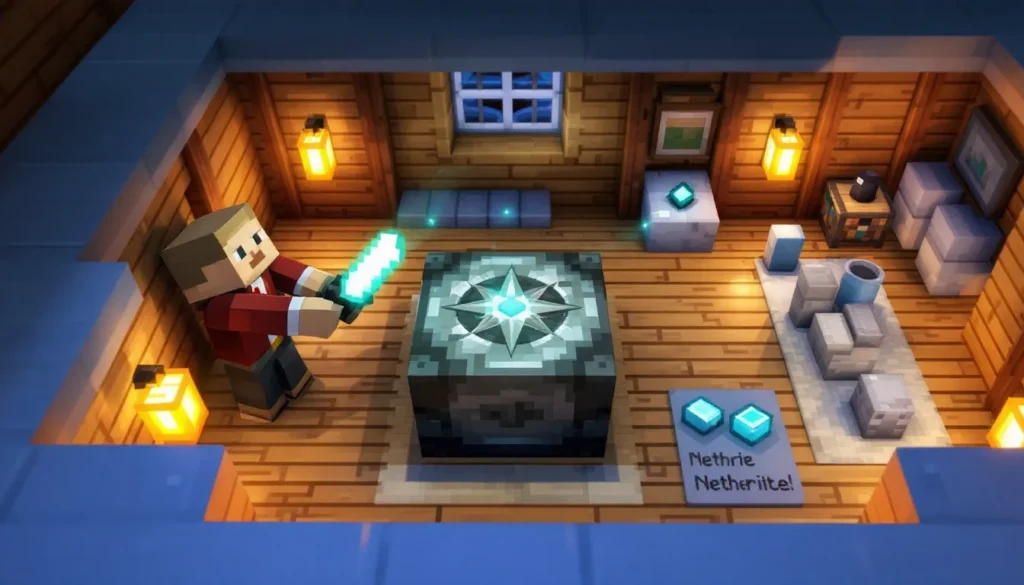

Building a house in Minecraft is more than shelter from creepers and skeletons, it’s a statement. Whether players are dropping into a fresh survival world or planning a creative masterpiece, the home they build defines their entire experience. From humble dirt shacks that evolve into sprawling estates to ambitious underwater bases that push technical limits, Minecraft’s building mechanics reward creativity and planning in equal measure.
This guide covers 25+ house ideas spanning every skill level and playstyle. Beginners will find simple builds that require minimal resources and time. Intermediate players can tackle designs that incorporate multiple materials and architectural details. Advanced builders get blueprints for showpiece structures that’ll dominate any server. Each idea includes material considerations, building tips, and ways to customize the design to fit different biomes and gameplay needs.
Table of Contents
ToggleKey Takeaways
- Start with beginner-friendly Minecraft house ideas like the Simple Starter House or Cozy Wooden Cabin to build foundational construction skills before tackling complex designs.
- Choose a building location based on biome, nearby resources, and terrain—flat areas simplify construction while hillsides and cliffs create natural visual drama.
- Limit your color palette to 3–5 primary materials and incorporate texture variation using stairs, slabs, and different block types to avoid visual monotony.
- Intermediate and advanced Minecraft house ideas like castles, underwater domes, and Japanese pagodas demand significant planning and often require 15–25 hours of construction time.
- Prioritize interior design and functional room layouts—bedrooms need at least 5×5 dimensions, and consistent staircase placement creates logical traffic flow between floors.
- Avoid common building mistakes such as creating structures that are too small, mixing too many materials, poor torch placement causing mob spawns, and neglecting roof overhangs.
Beginner-Friendly Minecraft House Ideas
New players need builds that prioritize function over flash. These designs use common materials, require minimal planning, and can be constructed in the first few days of a survival playthrough.
Simple Starter House
The Simple Starter House is a 7×7 wooden box with a door, four windows, and a pitched roof. It uses roughly 200 wood planks and takes about 10 minutes to build. The interior fits a bed, crafting table, furnace, and a few chests without feeling cramped.
Place this house near spawn with clear sightlines in multiple directions. The elevated roof provides space for a small attic storage area accessed by ladder. Players can expand by adding a second floor or attaching a farm plot directly to one wall. Oak and spruce planks create natural contrast when used together for walls and roof trim.
Cozy Wooden Cabin
A Cozy Wooden Cabin steps up the starter house with log pillars, a stone foundation, and a larger 9×9 footprint. This design uses full oak logs for corner supports and spruce planks for walls, creating visual depth. The stone base (cobblestone or stone bricks) adds durability and separates the structure from grass blocks.
Include a small front porch with fences as railings and a chimney built from stone bricks with a campfire smoke source. The interior accommodates dedicated brewing and enchanting corners once players progress. This cabin works exceptionally well in taiga and forest biomes where materials spawn nearby. According to building communities on platforms like Twinfinite, log cabins remain one of the most popular early-game builds due to their resource efficiency.
Underground Bunker Base
For players who prioritize security over aesthetics, the Underground Bunker Base offers maximum protection with minimal exterior presence. Dig down 10-15 blocks and hollow out a 12×12 room with 4-block-high ceilings. Use stone bricks or deepslate for walls to prevent creeper damage.
The entrance can be a simple staircase hidden behind trees or a more elaborate redstone piston door. Install torches every 4 blocks to prevent mob spawns, and create alcoves in walls for storage organization. Underground bases stay naturally lit during day/night cycles, and players can expand in any direction without worrying about terrain constraints. This design works particularly well near mountain bases where the entrance can blend into cliff faces.
Intermediate Minecraft House Builds
Intermediate builds introduce multiple materials, architectural details, and larger footprints. These houses require more planning and resource gathering but deliver significantly more visual impact.
Modern Minimalist Home
The Modern Minimalist Home uses clean lines, large windows, and a restricted color palette, typically white concrete, gray concrete, and black stained glass. Build a rectangular base (15×10) with a flat roof and floor-to-ceiling windows on at least two walls.
Quartz blocks work as a concrete alternative in early-game scenarios, though concrete looks sharper. Include an open-concept interior with minimal walls separating living spaces. Add a rooftop garden using grass blocks and potted plants for a splash of green against the monochrome palette. Modern builds look best in plains or desert biomes where they contrast with natural terrain. Pool additions using light blue stained glass and soul sand bubble elevators add luxury.
Medieval Manor House
A Medieval Manor House combines stone bricks, dark oak, and cobblestone into a two-story structure with an asymmetrical layout. Start with a 16×12 footprint for the main hall, then attach a smaller 8×8 tower offset to one corner. Use stone brick stairs for roof tiles and oak log beams for interior ceiling support.
The ground floor should feature a great hall with a long dining table (use oak slabs and stairs as chairs), while the second floor contains private quarters. Add external details like window shutters (trapdoors), flower boxes, and a small courtyard enclosed by cobblestone walls. Medieval builds benefit from weathering effects, mix regular stone bricks with mossy and cracked variants for an aged appearance. Players seeking simple castle foundations can scale up this design with additional towers and defensive walls.
Lakeside Villa
The Lakeside Villa extends partially over water, supported by pillars built from the lakebed up. This design uses birch planks and white concrete for a bright, airy feel. Build the land portion first (12×10), then extend a deck 6-8 blocks over the water using oak fences as railings.
Incorporate a dock with a boat parking space and fishing area. Large windows facing the water maximize views, and interior spaces should include a balcony or patio accessible through glass doors. Use lily pads and sea lanterns underwater near the villa for ambient lighting at night. This build works best on naturally-generated lakes in forest or flower forest biomes where the water is clear and terrain is relatively flat.
Treehouse Hideaway
A Treehouse Hideaway integrates with jungle or dark oak trees, building platforms around existing trunks. For jungle trees, work with the 2×2 trunk clusters, build a platform at 15-20 blocks high using jungle planks. Connect multiple platforms with bridges made from fences and slabs.
The main living space should be at least 8×8 to accommodate essential furniture. Use trapdoors and vines (carefully placed to avoid climbing mobs) for decoration. Include a ladder system or water elevator for vertical access. Advanced builders can create a network of connected treehouses forming a canopy village. Leaf blocks make excellent natural roofing that blends with the environment. Trapdoors placed around the platform edges create natural-looking support brackets.
Advanced and Epic House Designs
These builds demand significant time investment, material gathering, and construction skill. They serve as centerpiece structures that define entire worlds or servers.
Japanese Pagoda Estate
The Japanese Pagoda Estate features a multi-tiered tower with upturned roof edges and a surrounding zen garden. Each tier should be slightly smaller than the one below, creating a stepped pyramid effect. Use dark oak planks for primary structure, red nether brick for roof tiles, and white concrete for accent walls.
Build the base tier at 16×16, then reduce each subsequent level by 2-3 blocks per side. Each roof uses dark oak stairs arranged in overhanging patterns with nether brick stair accents. The interior can span 3-5 floors connected by central staircases. Surround the pagoda with a walled garden featuring small ponds, stone paths (mix stone slabs with gravel), and bamboo clusters. Add cherry blossom trees (if playing with newer updates) or use pink wool spheres with leaf block coverage for custom trees.
Fantasy Castle with Multiple Towers
A Fantasy Castle with multiple towers becomes the ultimate base project. Start with a central keep (20×20) rising 30+ blocks, then add four corner towers (8×8 each) connected by wall segments. Use stone bricks as the primary material with cyan or purple terracotta for roof cones.
Include functional spaces: throne room, armory, library, dungeon, and barracks. Each tower can serve a specific purpose, one for enchanting, another for storage, a third for living quarters. Add battlements using stairs and slabs to create crenellations along the tops of walls. Build a moat 3 blocks wide and 4 blocks deep around the perimeter, crossed by a drawbridge (use pistons and redstone for a functional version). According to building guides on platforms like Game8, castle builds average 15-25 hours of construction time for detailed versions. Interior detailing with banners, armor stands, and custom throne designs adds another 5-10 hours.
Futuristic Smart Home
The Futuristic Smart Home showcases redstone automation and modern materials. Build with smooth stone, iron blocks, cyan and light blue concrete, and massive glass panels. The design should feature sharp angles, asymmetrical wings, and integrated lighting systems.
Incorporate redstone-powered doors that open automatically with pressure plates, hidden piston entrances, and item sorting systems. Use daylight sensors to control interior lighting, switching between normal and soul torches for different ambiance. The exterior can include a landing pad for elytra arrivals and a garage with piston doors for storage. Build this in a plains or savanna biome where the structure can be fully appreciated without tree coverage blocking views.
Underwater Glass Dome House
An Underwater Glass Dome House ranks among the most technically challenging builds. Create a sphere or hemisphere using glass blocks, a 20-block diameter dome requires careful planning and typically sand-based construction methods. Place sand blocks in the dome shape underwater, build glass around them, then remove sand from inside.
The interior should include air pockets, proper lighting to prevent mob spawns, and conduits for water breathing when entering/exiting. Use prismarine blocks and sea lanterns for accents that complement the ocean theme. Build at least 15 blocks below sea level in a warm ocean biome for the best visibility and surrounding coral reef aesthetics. Include moon pools (water entrances in the floor) for submarine docking and aquatic mob observation. Kelp farms and tropical fish tanks make excellent interior features that blend with the environment.
Themed Minecraft House Ideas
Themed builds connect houses to specific aesthetics, fictional locations, or environmental contexts. These designs tell stories through material choices and architectural decisions.
Hobbit Hole Inspired by Middle-earth
A Hobbit Hole burrows into a hillside with a circular door and grass-covered roof. Find or create a small hill, then excavate a rounded tunnel leading to a 10×12 main room with a curved ceiling (use stairs and slabs to create the arch effect). The entrance should feature a bright-colored door, yellow or green, with a stone path leading to it.
Interior design matters tremendously here: use warm colors (oak, spruce), lots of food storage, and a prominent fireplace. Add round windows on the sides if the hill allows. Plant flowers on the roof and ensure grass grows across the top to maintain the illusion that the house is part of the landscape. Hobbit holes work best in rolling hills biomes or can be custom-built by piling dirt into artificial mounds.
Desert Temple Oasis Home
The Desert Temple Oasis Home reimagines the naturally-generated desert temple structure as a livable base. Use sandstone, cut sandstone, and orange terracotta to maintain the archaeological aesthetic. Build around a central courtyard with a water pool and palm trees (use jungle logs with leaf block tops).
Incorporate hieroglyph-style decorations using different colored terracotta patterns in the walls. The interior should feel cool and shaded, use limited lighting and blue carpet accents. Add secret rooms behind piston doors decorated to match walls, mimicking the hidden TNT chambers in natural temples. This build suits desert and badlands biomes, and the oasis concept provides a logical reason for abundant water features in an arid environment.
Snowy Mountain Lodge
A Snowy Mountain Lodge uses spruce logs, cobblestone, and snow layers to create a warm retreat in frozen biomes. Build into a mountain slope so the back half of the lodge is protected by natural stone. The 18×12 footprint should include a prominent stone chimney and steeply-pitched roof to prevent snow accumulation.
Interior features need to emphasize warmth: use carpet extensively, include multiple fireplaces, and light with lanterns rather than torches. Create a gear room near the entrance for storing cold-weather supplies. Large windows facing downslope provide mountain views while keeping the back wall solid for insulation aesthetics. Add a covered porch with seating for taking in the view without exposing yourself to the elements. Work this build into snowy taiga, snowy tundra, or ice spikes biomes.
Jungle Survival Base
The Jungle Survival Base embraces chaotic jungle terrain with multiple elevated platforms connected by bridges and ladders. Use jungle wood exclusively to blend with trees, and incorporate bamboo as decorative columns. Build the main platform around a 2×2 jungle tree trunk at canopy level (25+ blocks up).
The design should feel organic and unplanned, vary platform heights, use irregular shapes, and let vines grow naturally on support pillars. Include a crop farm on one platform (melons and cocoa beans for theme consistency) and animal pens on another. Parrots make excellent ambient wildlife. The ground level can feature a small dock if built near a river. According to IGN guides, jungle bases benefit from aggressive lighting strategies since hostile mobs spawn frequently in dense foliage.
Essential Building Tips for Every Minecraft House
Regardless of style or complexity, certain principles improve every build. These tips help players avoid common frustrations and create more polished results.
Choosing the Right Location and Biome
Location determines material accessibility, aesthetic context, and functional convenience. Build near spawn points if the house will serve as a primary base, respawning 2,000 blocks away from home after death wastes time. Look for locations near multiple biomes to access varied resources without extensive travel.
Flat locations simplify construction but lack visual interest. Hillsides, cliff edges, and waterfront properties require more terraforming but create natural drama. Check underground before committing to a location, building over cave systems leads to mob spawns beneath the house. Use F3 debug screen on Java Edition (coordinates display on Bedrock Edition) to note exact build site coordinates for future reference.
Biome affects both materials and mood. Flower forests provide color, taigas offer abundant wood, and mesas supply terracotta variants. Desert and savanna biomes maximize visibility but lack wood. Consider weather effects: rain doesn’t occur in deserts or savannas, snow accumulates in tundra biomes, and lightning poses fire risks in forests.
Selecting Building Materials and Color Palettes
Successful builds use 3-5 primary materials maximum. More than that creates visual chaos. Pair one primary material (stone bricks, planks) with accent materials (different wood types, stairs, slabs) and a detail material (glass, fences, terracotta).
Color palettes should complement biome colors or deliberately contrast them. Dark oak and stone bricks look sharp in snow biomes (dark against white), while birch and white concrete pop in dark oak forests. Avoid using single-color builds, all-wood houses look flat and uninteresting. Add depth by combining wood planks with log accents, or mixing stone brick variants (regular, mossy, cracked).
Texture variation matters as much as color. Combine full blocks with stairs, slabs, walls, and fences in the same material to create dimensional surfaces. A stone brick wall looks much better with protruding stone brick stair details than a flat surface. When creating decorative builds, material choice communicates tone as much as shape.
Incorporating Lighting and Redstone Features
Proper lighting prevents mob spawns (light level 8+ required as of recent updates) while creating atmosphere. Space torches every 12 blocks for functional coverage, but use lanterns, campfires, and sea lanterns for aesthetic lighting in living spaces. Hide light sources where possible, place torches under carpets, behind paintings, or under stairs.
Redstone features add functionality without being visible. Automatic doors using pressure plates or tripwires create seamless entrances. Hidden staircases activated by item frames or book switches protect valuable rooms. Lighting systems controlled by daylight sensors save time during day/night transitions. Piston doors double as both security and spectacle, a 2×2 piston door impresses visitors while keeping out intruders.
For complex redstone projects, plan wiring routes before building walls. Redstone dust needs 1-block paths, and repeaters require specific spacing for long-distance signals. Build redstone in creative mode first to test mechanics before implementing in survival worlds.
Unique Architectural Styles to Explore
Beyond standard medieval and modern builds, specific architectural movements offer fresh inspiration for players looking to expand their building vocabulary.
Victorian-Era Townhouse
Victorian architecture features ornate details, asymmetrical designs, and narrow footprints. Build a Victorian-Era Townhouse with a 10×8 base extending three stories high. Use dark oak or spruce for siding with white concrete or quartz accents for trim.
Key Victorian elements include: tall, narrow windows with decorative headers (use stairs above windows), a prominent bay window on the ground floor (extend the wall out 1-2 blocks), and detailed roofline with dormers and chimneys. Add a small balcony on the second floor with iron bars as railings. The interior should have distinct rooms per floor, parlor and kitchen on ground level, bedrooms on second floor, and an attic storage space on top.
Use carpets extensively inside, create wallpaper effects with different wood planks, and include a grandfather clock (use item frames and banners for detail). Victorian houses work well in clustered builds, create a row of connected townhouses with slight variations in color and detail for a period street scene.
Rustic Farmhouse with Barn
A Rustic Farmhouse pairs a two-story residence (14×10) with an attached barn (16×12) using weathered materials. Combine oak planks with spruce logs, cobblestone foundations, and stone brick chimneys. The farmhouse section should have a wraparound porch with fence railings and a pitched roof with overhangs.
The barn attaches to one side, featuring large double doors, hay bale storage, and animal pens inside. Use red terracotta or red concrete for the barn roof to create the classic red barn aesthetic. Add wheat fields, pumpkin patches, and a small garden between the house and barn. Include practical farm elements: composter, bee hives, and a well (use cobblestone circles with water at bottom).
Rustic builds benefit from “imperfect” details, add leaf blocks near the roof edge (overgrown gutters), place moss carpet on north-facing walls, and leave some fence posts irregular heights. This style suits plains, sunflower plains, and forest edge locations where farmland makes logical sense.
Cliffside Mountain Retreat
The Cliffside Mountain Retreat cantilevers out from a vertical cliff face, supported by dramatic pillars or appearing to float. Find a mountain with a sheer drop of at least 30 blocks. Build the main structure (12×10) extending outward from the cliff, using stone bricks or deepslate to match the mountain material.
The dramatic element comes from floor-to-ceiling windows facing the drop, giving the impression of floating above the valley below. Use glass floors in one section to maximize the vertigo effect. The back portion should tunnel into the mountain for bedrooms and storage, this creates temperature contrast between exposed and protected spaces.
Access can come from above (staircase from mountain peak) or below (elevator system using water or scaffolding). Include an observation deck that extends even further from the main structure. This build type works in any mountain biome but looks especially dramatic in shattered savanna or amplified world generation. The key is choosing a location where the view justifies the construction difficulty.
Interior Design Ideas for Your Minecraft Home
Exteriors attract attention, but interiors determine whether a house feels like a home. Strategic furniture placement and decoration transform empty rooms into lived-in spaces.
Creating Functional Room Layouts
Room functionality starts with sensible dimensions. Bedrooms need minimum 5×5 to feel spacious with a bed, chest, and decoration. Storage rooms work at 6×6 or larger, leave walking paths between chest rows. Kitchen spaces need 4×6 minimum for crafting table, furnace, and storage access. Enchanting rooms require 6×6 to accommodate the 15 bookshelf arrangement around an enchanting table.
Create traffic flow by positioning doors and pathways logically. The front entrance should lead to a central room or hallway that branches to specific areas. Avoid designs that require walking through bedrooms to reach crafting areas. Multi-story houses should position staircases consistently, players expect stairs in similar locations per floor.
Ceiling height affects room feel. Standard 3-block ceilings work for most spaces, but great halls and living rooms benefit from 4-5 block heights. Basements can use 2-block ceilings if the cramped feeling suits the space (wine cellars, storage).
Dedicate specific rooms to specific tasks: brewing stands cluster with chests of ingredients, enchanting rooms include book storage, and armories display armor stands with complete gear sets. Functional organization reduces time spent searching for items and makes the house feel purpose-built rather than generic.
Decorating with Furniture and Custom Details
Minecraft lacks traditional furniture, so players improvate using blocks. Chairs use stairs placed as seats. Tables combine fences with pressure plates or trapdoors on top. Couches line up multiple stair blocks with wool blocks for arms. Desks use trapdoors attached to walls with a stair as the chair.
Kitchen details include cauldrons as sinks, droppers or trapdoors as cabinets, and stone slabs as countertops. Use item frames with food items to create a stocked pantry look. Flower pots with flowers add color to windowsills. Paintings cover large wall sections but can also hide secret doors.
Lighting fixtures include chandeliers (fence posts with glowstone or lanterns), wall sconces (trapdoors with torches), and floor lamps (fence post with glowstone on top). Bathrooms use cauldrons as tubs, armor stands with carved pumpkins as toilets, and white concrete for tile floors. Carpets define spaces, use different colors to separate rooms visually within open floor plans.
Add personality through collections: aquariums with tropical fish, libraries with lecterns displaying written books, trophy rooms with mob heads, and gardens with every flower type. The goal is making each room look intentionally designed rather than randomly decorated. Custom details take time but transform generic interiors into memorable spaces players enjoy returning to between adventures.
Common Building Mistakes to Avoid
Even experienced builders fall into predictable traps. Recognizing these mistakes before they happen saves hours of reconstruction.
Building too small: New players consistently underestimate space requirements. That 5×5 starter house feels cramped once players add a bed, crafting table, furnace, and chests. Build larger than initially seems necessary, extra space gets filled quickly as gear accumulates. Add 3-4 blocks to each dimension beyond minimum requirements.
Ignoring exterior variation: Flat walls look boring regardless of materials used. Break up surfaces with protruding or recessed sections using stairs and slabs. Add depth by bringing window frames out one block or creating wall supports with log pillars. Even simple builds benefit from texture changes every 4-5 blocks.
Poor lighting placement: Spacing torches too far apart allows mob spawns inside houses, the most frustrating preventable mistake. Light level must reach 8+ in every block, not just perceived brightness. F3 debug screen shows exact light levels on Java Edition. Use carpet or trapdoors to hide torches without sacrificing functionality. Calculate torch spacing before building to avoid retrofitting lighting later.
Mixing too many materials: Using every available block creates visual chaos. Stick to 3-5 materials per build. A house using oak planks, spruce logs, cobblestone, dark oak stairs, birch planks, stone bricks, and andesite looks confused and amateurish. Choose a palette and commit to it. Material variety works in large builds where different sections use different palettes, not within single structures.
Neglecting scale and proportion: Windows should align vertically between floors. Roof pitch should match structure size, small houses need steep roofs, large buildings can use shallow pitches. Door placement should feel centered and intentional, not shoved wherever space existed. Study real architecture or successful Minecraft builds to internalize proportion rules.
Building on uneven terrain without preparation: Starting construction without leveling or planning around terrain leads to awkward elevated entrances, gaps under walls, or excessive terraforming mid-project. Flatten the build area first for simple designs, or incorporate terrain into the concept from the start for hillside/cliff builds. Half-committing to either approach creates problems.
Forgetting roof overhangs: Roofs flush with walls look unfinished and amateur. Extend roofs 1-2 blocks beyond walls using stairs. Overhangs create shadow lines that add depth and protect walls from visual monotony. This applies to every build style from medieval to modern.
Leaving interiors empty: Players spend more time inside than viewing exteriors, yet many builders focus 90% of effort outside. Budget at least 30% of build time for interior design. An incredible exterior with an empty interior feels hollow. Dedorate every room, even if minimally, blank spaces kill immersion.
Conclusion
These 25+ house ideas span every skill level and aesthetic preference. Beginners should start with simple builds that teach basic construction principles, material gathering, spatial planning, and functional layout. Those houses evolve as skills improve, transforming from basic shelters into personalized bases.
Intermediate and advanced builders can tackle increasingly ambitious projects that showcase technical skill and creativity. The best builds balance form and function, looking impressive while serving practical survival needs. Each house becomes a learning experience, teaching new techniques applicable to future projects.
Material choice, location selection, and attention to detail separate good builds from great ones. Players who invest time in planning, experiment with different styles, and iterate on designs develop distinctive building identities. The Minecraft building community thrives on shared inspiration, what starts as following a guide eventually becomes personal innovation.
Whether constructing a humble starter cabin or a sprawling fantasy castle, the goal remains the same: creating spaces that feel earned, lived-in, and uniquely yours. Start with one build from this list, adapt it to personal preferences, and let that momentum carry forward into the next project. Every block placed builds both the structure and the skills needed for the next challenge.